NOVA
Next-generation spatial interface system and design architecture for mixed reality.
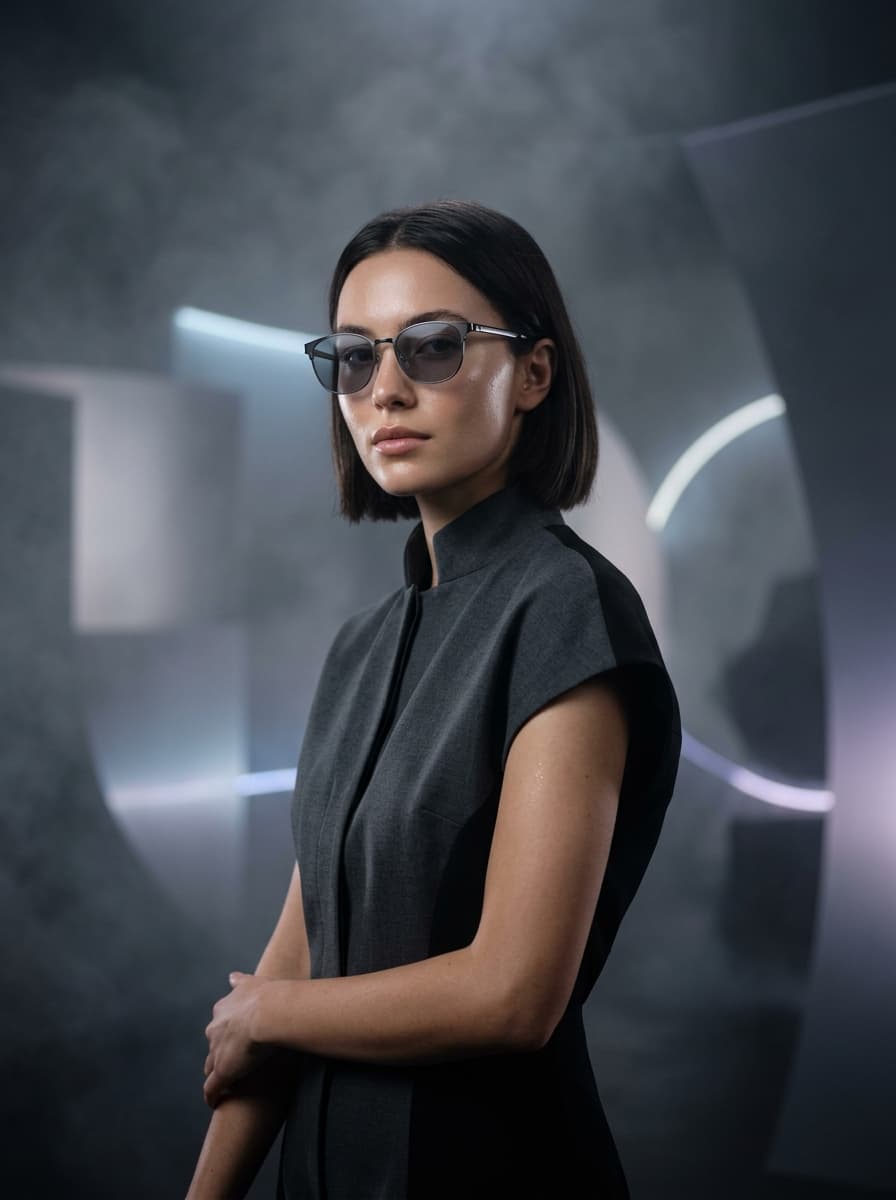
Nova commissioned Astra to define the visual physics, motion choreography, and interaction standards for their flagship augmented ecosystem. Operating at the boundary of hardware ergonomics and spatial UI, the system orchestrates multi-dimensional computing into frictionless human gestures.
Redefining category expectations.
Spatial computing interfaces routinely suffer from visual clutter, poor contrast in diverse ambient lighting conditions, and cognitive fatigue caused by overly aggressive animations.
Disciplined reduction and craft.
We stripped away decorative skeuomorphism in favor of high-legibility typographic anchors, kinetic depth cues, and an adaptive luminosity engine that responds to the user’s real-world environment.
Fig 01 — Spatial optics framing and adaptive micro-typography overlay.
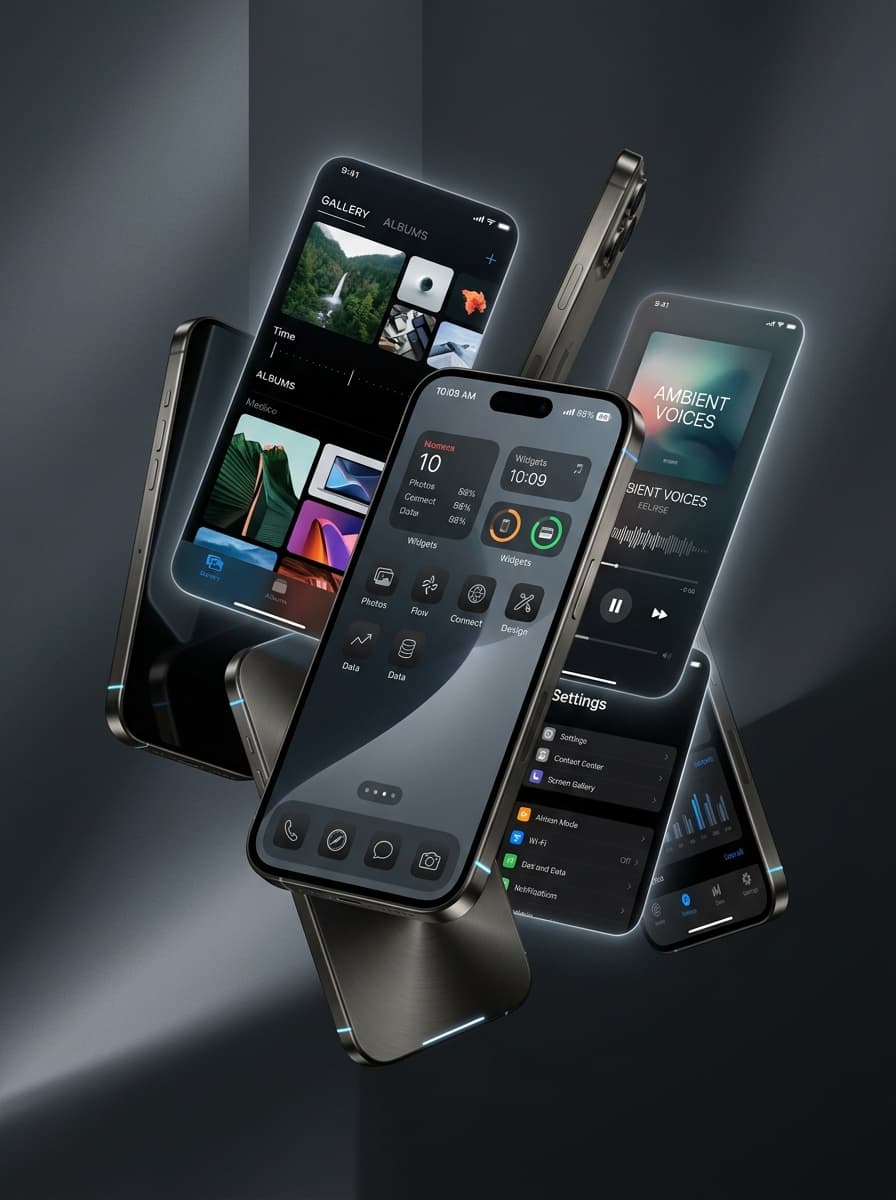
Fig 02 — Companion mobile telemetry and real-time environment calibration.
“Astra translated our raw spatial algorithms into an intuitive sensory language that feels completely natural from the very first minute.”
Marcus Vance, VP of Product at Nova Systems
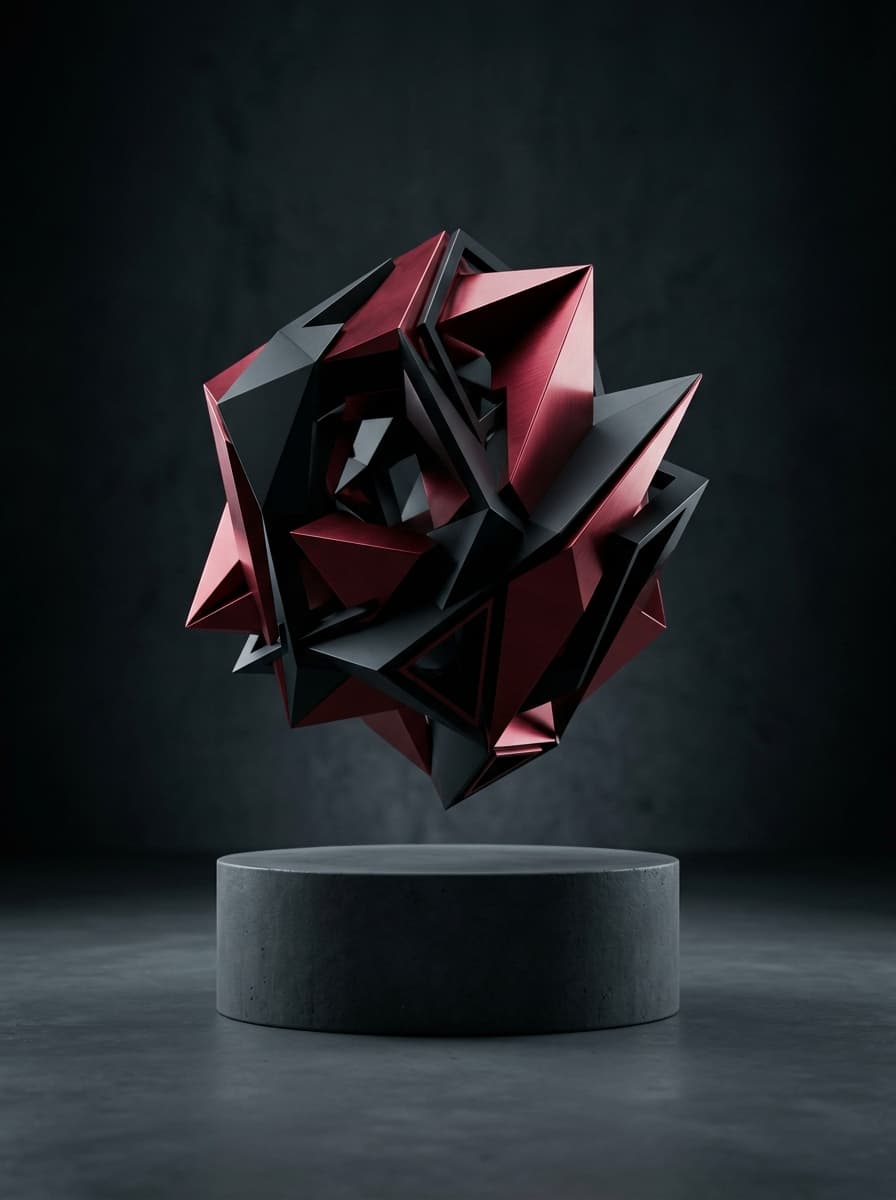
Fig 04 — Parametric interaction anchors designed for haptic feedback loops.
The Delivery Framework
Over 14 weeks of rapid hardware-in-the-loop prototyping, our joint team built 40+ interactive spatial prototypes using custom WebGL shaders and real-time physics simulators.
Results & Recognition
74% reduction in user onboarding time, 99.4% task completion rate during pilot rollouts, and universal acclaim from premier technology critics.